If you picture a second home as a simple beach escape, Del Mar’s Coastal Village may surprise you. This is a small, high-visibility seaside city where walkability, seasonal events, parking, and coastal rules can shape your ownership experience as much as the home itself. If you are considering a pied-à-terre, a lock-and-leave retreat, or a long-term lifestyle purchase, understanding those details can help you buy with more confidence. Let’s dive in.
Why Del Mar Appeals to Second-Home Buyers
Del Mar offers a rare mix of coastal charm and convenience in a very compact setting. The city spans about 2.2 square miles, has roughly 4,200 residents, and welcomes more than 2 million visitors each year. That creates a village atmosphere that feels active, visible, and connected to the coast.
For many second-home buyers, the appeal starts with how easy it is to enjoy daily life here. The city notes that Del Mar Village can be explored on foot or by bicycle, and beach access, dining, and services are close at hand. If you want a home where you can arrive for the weekend and settle in quickly without depending on your car for every outing, that is a meaningful advantage.
What Coastal Village Ownership Really Feels Like
A second home in Del Mar is often less about isolation and more about access. You are buying into a coastal village with a downtown retail and restaurant core, nearby hotels, and a residential setting that stays closely tied to visitor activity. That can be a great fit if you want energy, convenience, and a strong sense of place.
It also means your ownership experience will change with the calendar. Summer events and beach season can bring more traffic, tighter parking, and busier public spaces. If you plan to host family or friends, or if you will be away for part of the year, those patterns matter.
Seasonal Rhythms to Plan Around
Del Mar has distinct seasonal peaks that second-home owners should expect. In 2026, the San Diego County Fair runs from June 10 through July 5, and the Del Mar summer racing meet runs from July 17 through Labor Day on September 7. The city also highlights recurring village events such as Twilight Summer Concerts, Taste of Del Mar, and the weekly Farmers Market.
These event windows can affect your day-to-day logistics. Guests may need more planning, parking may be harder to secure, and local traffic can feel heavier than it does in quieter months. If you value easy lock-and-leave ownership, it helps to think through how often you will use the home during peak season versus shoulder season.
The weather has its own rhythm too. NOAA notes that coastal low clouds and fog are a major feature of the San Diego coast, with marine stratus most likely from April through August and often strongest in May and June. In practical terms, many summer mornings can begin cool and gray before conditions improve later in the day.
Beach Access Comes With Coastal Realities
Beach access is a major draw in Del Mar, and it is available year-round. The city’s lifeguards patrol 2.2 miles of beach and add five additional towers during summer. That supports an active coastal lifestyle while also underscoring that the shoreline demands awareness and respect.
The city warns beach users about rip currents, unstable cliffs, and bluffs. For you as an owner, that means the lifestyle is exceptional, but the coast is not maintenance-free or risk-free. It is smart to view beach proximity as both an amenity and a factor in your due diligence.
Property Types in Del Mar Village
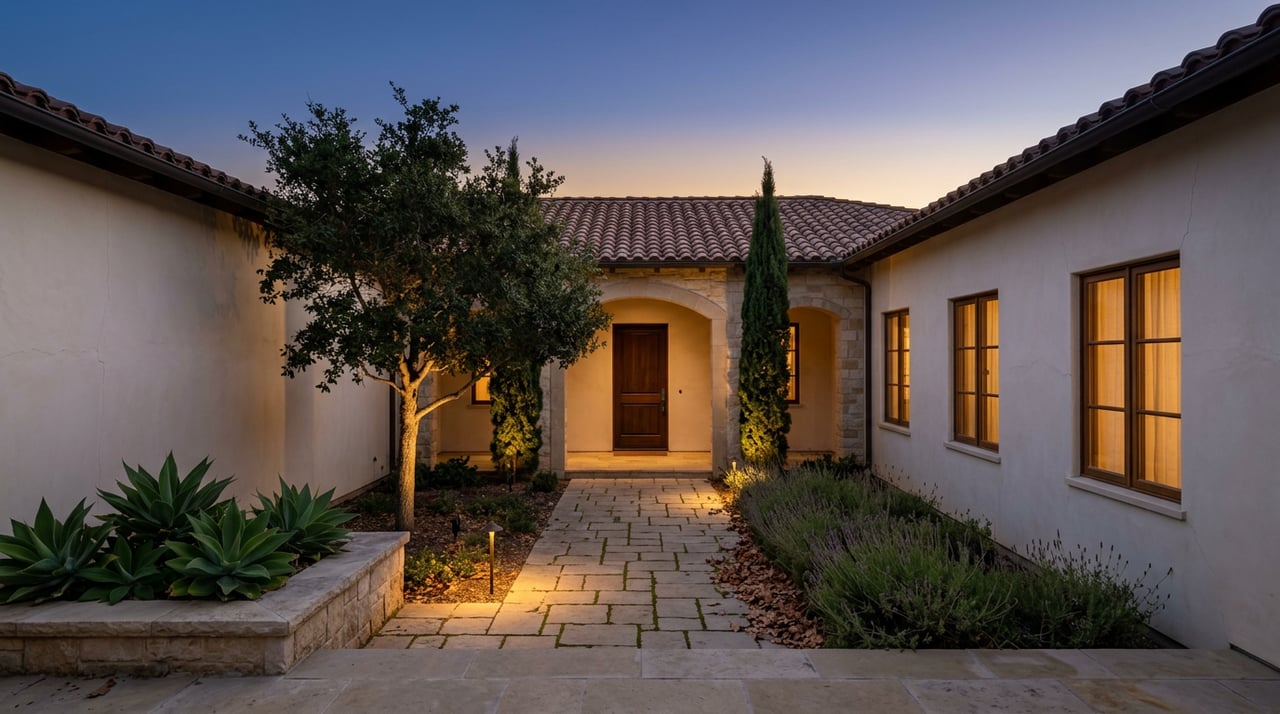
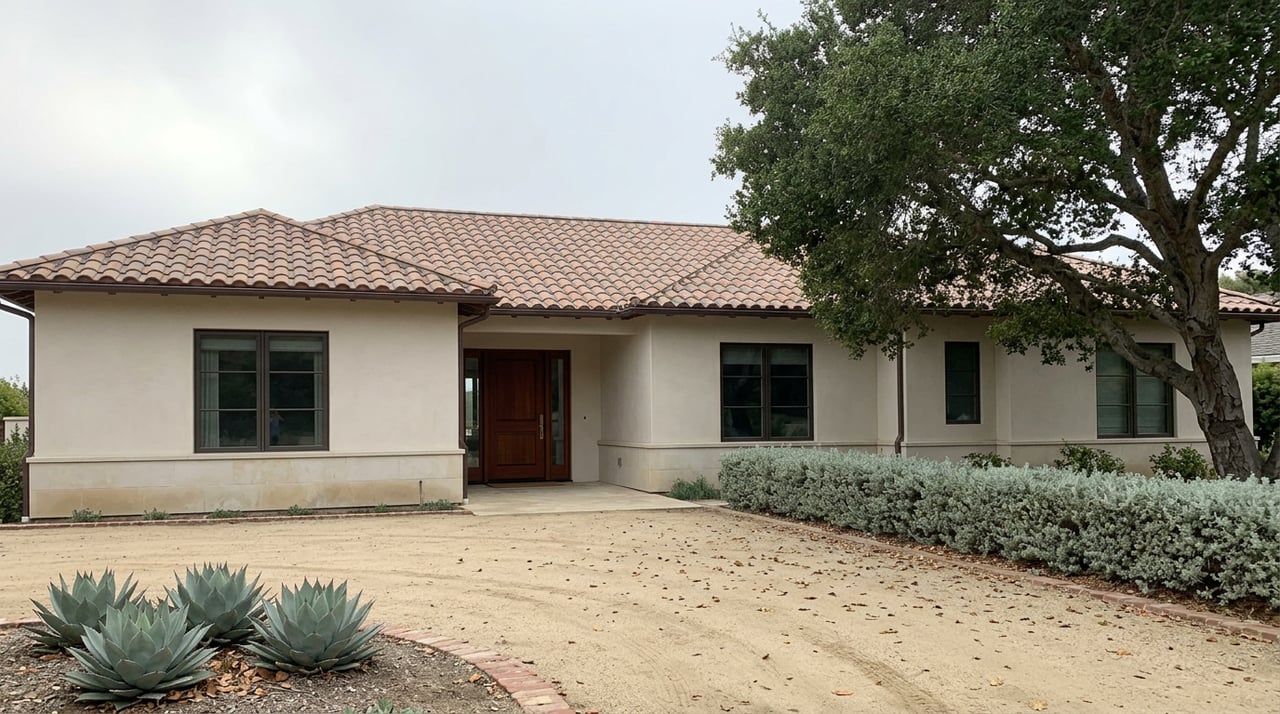
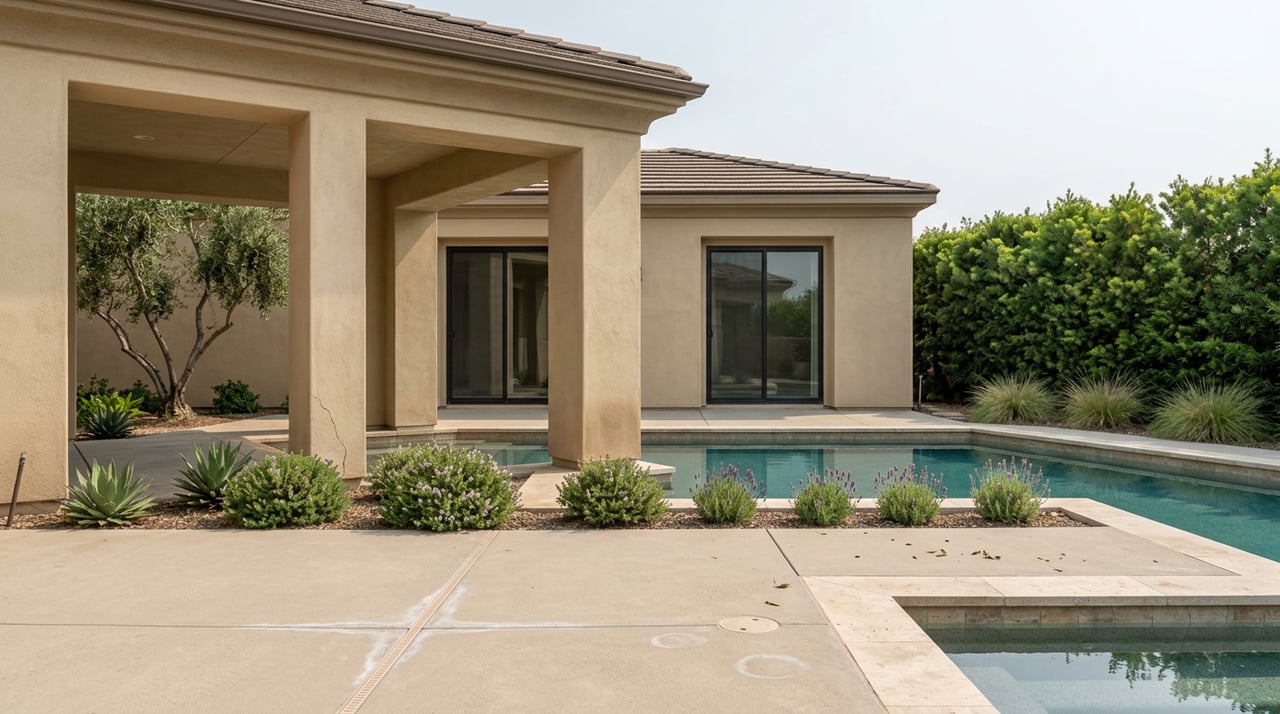
Del Mar does not follow a single architectural formula. The city describes the area as having a wide range of classic, eclectic, and contemporary architecture, with design review focused on quality materials, privacy, compatibility with surroundings, and protection of views. That variety gives buyers more options, but it also means each property should be evaluated on its own merits.
Most of the community is still made up of single-family neighborhoods. At the same time, the city’s broader design standards also reference multi-unit and mixed-use residential development, which suggests that attached or village-adjacent options may also be available in certain areas. For second-home buyers, that can open the door to different ownership styles depending on how much space, maintenance, and proximity you want.
Why Design Review Matters
In Del Mar, the setting around the home matters almost as much as the home itself. The city’s development approach emphasizes harmonious materials, appropriate landscaping, compatible proportions, and a residential seaside character. If you are considering future updates, exterior changes, or redevelopment potential, those standards should be part of your review early on.
This matters especially for buyers who want a second home they can personalize over time. A property that looks ideal today may still come with design considerations if you later want to expand, rework outdoor areas, or make visible exterior changes. Knowing that upfront can help you align your purchase with your long-term plan.
Bluff-Top and Beach-Adjacent Homes Need Extra Review
Some of Del Mar’s most compelling homes are also the most nuanced. The city’s Coastal Bluff Overlay Zone exists to help avoid risks tied to bluff failure and shoreline erosion. Del Mar’s sea-level-rise planning also identifies beachfront and bluff-top residences, along with roads and public infrastructure, as vulnerable areas.
That does not mean these properties are off the table. It means they deserve careful due diligence. If you are considering a bluff-top or beach-adjacent home, you should closely review location, maintenance expectations, insurance considerations, and long-term resale planning with the right local guidance.
Parking Is a Real Ownership Issue
Parking can have an outsized impact on your quality of life in Del Mar’s village areas. The city’s parking plan states that on-street parking in parts of the Village is often fully occupied or nearly full at peak times. For a second-home owner, that can affect everything from unloading groceries to hosting weekend guests.
The city’s parking guidance shows why details matter. The Civic Center garage is free but has a 72-hour limit, many beach and village areas have time regulations, and some streets have street-sweeping restrictions. If you are comparing homes, the number and usability of legal on-site parking spaces should be part of your decision.
Short-Term Rental Rules Are Highly Restrictive
If rental income is part of your second-home strategy, Del Mar requires very careful review. As of June 2026, short-term rentals are only permitted in the Residential-Commercial and Visitor Commercial zones and certain development entitlements. They are not permitted in residential zones.
The city also says the permit application period for existing short-term rentals closed on May 1, 2026, and new short-term rentals are subject to a citywide cap of 129 and a waitlist process. In addition, the city’s transient occupancy tax is 13% for stays of 30 consecutive calendar days or less, and owners are responsible for collection and remittance through the city’s process.
For many buyers, this is one of the most important points in the entire purchase. You should not assume a property can be used as a short-term rental simply because it is near the beach or in a visitor-oriented area. Eligibility depends on zoning and city rules, and those details should be confirmed before you buy.
A Smart Due-Diligence Checklist
Before you move forward on a second home in Del Mar’s Coastal Village, focus on the practical questions that shape ownership most:
- What zoning applies to the property?
- Is the home in a coastal, flood, or bluff overlay area?
- If rental use matters, does the property actually qualify for short-term rental use?
- Are there HOA rules related to rentals, guest access, parking, or exterior maintenance?
- How many legal parking spaces come with the property?
- What will guests do for parking during summer weekends, the Fair, or racing season?
- What seasonal upkeep will salt air, landscaping, drainage, and exterior finishes require?
- Will the home need local check-ins or property oversight while you are away?
A second home here can be a wonderful lifestyle asset, but the best purchases are usually the ones made with a clear view of both the experience and the logistics.
The Bottom Line on Buying in Del Mar
Owning a second home in Del Mar’s Coastal Village can be deeply rewarding if your goals match the setting. You are not just buying a home near the ocean. You are buying into a walkable coastal village shaped by beach access, event seasons, parking realities, design expectations, and local regulations.
That is exactly why local guidance matters. When you understand how these pieces fit together, you can choose a property that supports the way you actually want to live, visit, host, and hold over time. If you are exploring Del Mar as a second-home market, Adam Loew can help you evaluate the opportunities with a polished, highly local, concierge-driven approach.
FAQs
What makes Del Mar attractive for a second home?
- Del Mar offers a compact coastal setting, a walkable village, year-round beach access, and close proximity to dining and services, all within a small seaside city.
Can you walk around Del Mar Village without a car?
- Yes. The city says residents and visitors can explore Del Mar Village on foot or by bicycle, which is a major plus for second-home owners who want convenience.
Are short-term rentals allowed in Del Mar?
- Short-term rentals are highly restricted. As of June 2026, they are only permitted in the Residential-Commercial and Visitor Commercial zones and certain development entitlements, not in residential zones.
Why is parking important for a Del Mar second home?
- Parking can be limited in village areas, especially at peak times. Legal on-site parking, guest parking options, and local time restrictions can all affect daily use.
Do coastal conditions affect second-home ownership in Del Mar?
- Yes. Marine-layer fog is common from spring through summer, and coastal homes may require more attention to weather exposure, exterior upkeep, and site-specific risks.
Are bluff-top homes in Del Mar riskier to own?
- Bluff-top and beach-adjacent properties can involve added considerations related to bluff failure, shoreline erosion, and sea-level-rise planning, so they typically require more detailed due diligence.
What should you verify before buying a second home in Del Mar?
- You should confirm zoning, overlay areas, rental rules, HOA restrictions, legal parking, guest access, and expected maintenance needs before making a purchase decision.