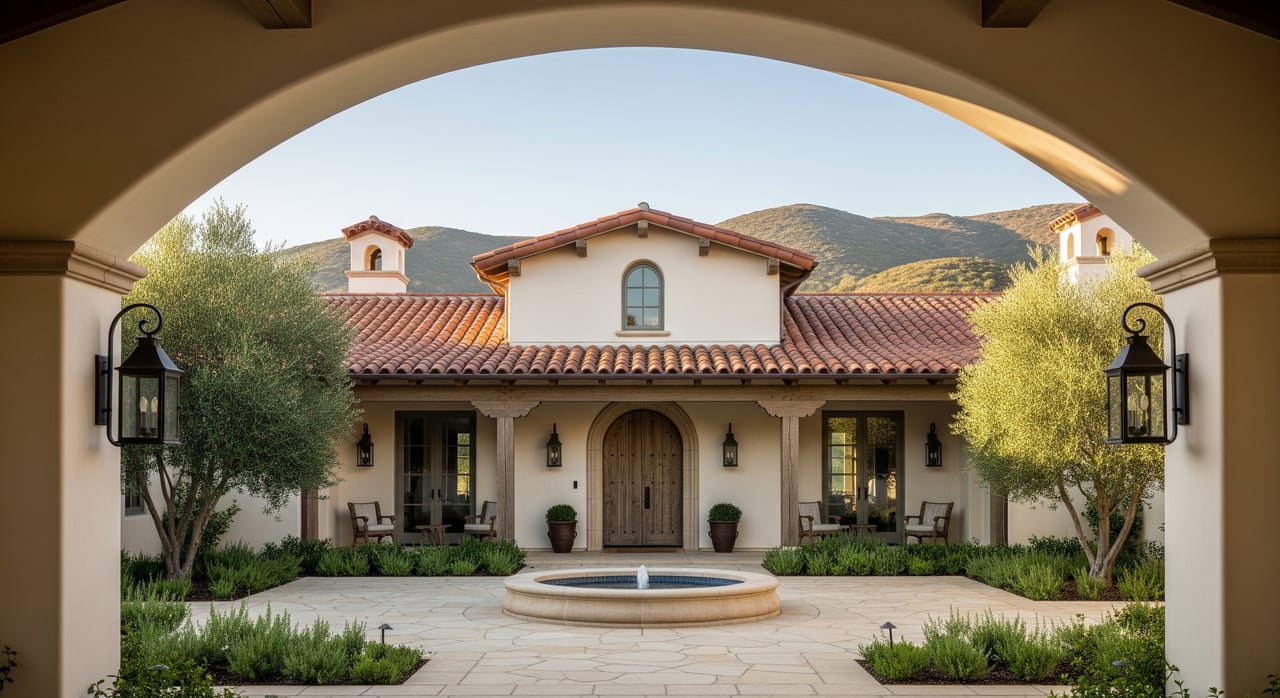
Planning a remodel, new guest house, or landscape overhaul in Rancho Santa Fe? If your property sits inside the Covenant, your project will go through an architectural review before any work starts. That extra layer protects the community’s character, but it can also add time and steps. In this guide, you’ll learn how the Rancho Santa Fe Association review typically works, what to submit, how long it can take, and how to avoid delays that impact resale value. Let’s dive in.
Covenant basics
The Covenant is the recorded set of CC&Rs, design guidelines, and restrictions that govern how you can use your property and change the exterior. The Rancho Santa Fe Association administers the rules and runs the design review process through its staff and a review board. This is separate from San Diego County permits.
You will still need County building and planning approvals, and your project must comply with local ordinances and California’s common interest development law. The Association focuses on design fit and community standards, while the County handles code, safety, grading, septic, and similar requirements.
Review purpose and standards
The review exists to preserve the area’s character and protect neighbors from negative impacts. In Rancho Santa Fe, that often means low profiles, generous setbacks, natural materials, and mature landscaping.
Reviewers typically evaluate:
- Siting, setbacks, and how the home relates to neighboring properties and views.
- Building massing, scale, and rooflines relative to context.
- Exterior materials and colors that reduce visual contrast.
- Landscaping, including tree preservation and native vegetation.
- Grading and drainage to limit cut and fill and manage erosion.
- Lighting that minimizes glare and light spill, with shielded fixtures.
- Access, parking, and construction staging to protect roads and neighbors.
- Outbuildings, pool houses, fences, and walls for size, location, and materials.
- Environmental protections such as tree protection and sensitive habitat.
Review process
Pre-application consult
Start with a concept meeting. You present rough site plans, massing ideas, and materials. Staff can flag setbacks, slope, tree protection, and other constraints early. This step saves time and design costs later.
Formal application and board review
Once you are ready, you submit a complete package with fees and owner authorization. Association staff prepare the review packet, and a design review board considers the plans. The board may grant approval, conditional approval, or denial. Conditions can include revisions, additional documentation, deposits, or protection measures.
Conditions, bonds, and inspections
Approvals often include conditions you must meet during construction. These can include performance or landscape bonds, erosion and dust control, tree protection fencing, and construction management rules for access and parking. Association staff conduct site checks in addition to County inspections. After work is complete and conditions are satisfied, the Association issues final sign-off.
What to include in your submittal
Your formal package will vary by project size, but you should be prepared to provide:
- Application, owner signature, and proof of ownership.
- Cover letter and project description summarizing scope and materials.
- Scaled site plan showing property lines, setbacks, existing and proposed structures, driveways, utilities, easements, and drainage.
- Floor plans and elevations for all sides with materials, heights, and roof pitch.
- Roof plan and a materials schedule.
- Exterior materials and a color board or manufacturer specs.
- Landscape plan with plant list, sizes, irrigation, and tree preservation or replacement.
- Grading and drainage plan with cut and fill and retaining walls.
- Soils or geotechnical report and structural schematic for major work.
- Arborist report if you plan to remove or prune significant trees.
- Erosion and sediment control plan for the construction period.
- Lighting plan with fixture cut sheets and illumination data.
- Construction management plan covering staging, worker parking, haul routes, and timeline.
- Neighbor notification or acknowledgment forms if required.
- Environmental reports if site conditions trigger them.
- Title documents, such as easements, if relevant.
- Fee payments, deposits, or bonds required by the Association.
Concept submittals can be schematic. Formal submittals should be close to permit-ready to reduce rounds of revision.
Timelines and permits
Concept feedback often takes a few weeks, depending on staffing and schedules. A formal review to first board action can take about 4 to 12 weeks. Larger or complex projects can require multiple meetings and revisions, which extends the timeline. Final sign-off after construction depends on inspection timing and how quickly you close out conditions.
You must plan for San Diego County permitting at the same time. Building plan check can take several weeks to months, especially for new homes or heavy grading. Grading permits and storm water plans can add steps. Fire agency approvals for driveway access, water supply, and defensible space may apply and can involve separate inspections before occupancy.
A few planning tips:
- Seek concept feedback before investing in full construction drawings.
- Aim for Association approval before major County permit milestones or construction start.
- Coordinate Association and County reviews in parallel where practical. Leave room for Association-driven changes that may affect permit plans.
- Build schedule contingency for design revisions, neighbor input, and bonding or administrative conditions.
Typical construction durations vary by scope. Many remodels run 3 to 9 months. Major remodels or new custom homes can span 12 to 24 months from final design through construction.
Common project types
Many exterior material or color changes, like new roof tiles or paint, still require Association review. Some minor items may qualify for administrative review, but you should verify what is allowed. Outbuildings, guest houses, pool houses, fences, and walls are often tightly controlled for size, location, and materials.
Landscaping is guided by aesthetic standards and plant palettes. Drought-tolerant and native species are commonly supported when they fit the guidelines and provide proper screening. Tree removal typically requires justification, and mature or protected trees often need an arborist report with mitigation planting.
Avoid costly mistakes
Starting work without approvals can lead to stop-work orders, fines, or removal requirements. It can also complicate escrow later. If work was done without approval, seek retroactive review early. Be prepared to remediate conditions if required.
Keep communication lines open with neighbors. Some procedures require neighbor notices or acknowledgments. Early outreach can prevent surprises at board review.
Expect to post deposits or bonds tied to performance and site restoration. Keep funds and documents organized so release can occur after final acceptance. Maintain a clear paper trail of plans, approvals, permits, and inspections for resale.
Resale and escrow
Buyers often value the Covenant’s design control because it preserves neighborhood character. That perception can support long-term value when improvements are compliant and well documented. On the flip side, buyers who want maximum flexibility may view the rules as a constraint. Clear documentation helps both groups make informed decisions.
When you sell, provide CC&Rs, design approvals, and final Association sign-off or a certificate of completion for any alterations, plus County permits and inspection records. In escrow, an Association estoppel or disclosure letter is typically requested. It will state whether there are outstanding assessments, violations, or unapproved modifications.
Unpermitted or nonconforming work can delay or derail a sale. You may need retroactive approval, remediation, or removal. Build time into your contract for Association documents and be explicit about who will satisfy any conditions that remain open.
Approvals also tend to expire if you do not start within a set period. Ask the Association about extensions so you do not lose your place.
Owner action plan
Use this checklist to streamline your project:
- Schedule a pre-application or concept meeting with Association staff.
- Hire your core team: architect, civil or geotechnical engineer, landscape architect, arborist if trees are involved, and general contractor.
- Map site constraints early, including easements, setbacks, slopes, and existing trees.
- Prepare conceptual site and massing studies with preliminary materials.
- Compile the formal package with plans, elevations, materials board, landscape, grading, soils, arborist report, lighting, and a construction management plan.
- Budget for application fees, deposits, and potential bonds.
- Coordinate Association and County submittals to avoid rework.
- Keep approvals and as-built drawings organized for resale.
How we can help
You do not have to navigate this alone. Our team works daily in Rancho Santa Fe and across North County. We help you evaluate homes and lots for feasibility, connect you with vetted architects and builders familiar with the Covenant, and plan purchase and sale timelines that respect Association and County review. If you are selling, we coordinate pre-market touch-ups and documentation so buyers and lenders move forward with confidence.
If you are considering a purchase or upgrades in the Covenant, reach out. A short conversation can save months in design and escrow. Connect with Adam Loew to discuss your plans and next steps.
FAQs
Do I need approval to change exterior paint or roof tiles?
- Many Covenant properties require review for exterior color or material changes. Some minor items may be handled administratively, but you should confirm the current rules before you start.
What happens if I already started work without approval in Rancho Santa Fe?
- You risk stop-work orders, fines, and removal or remediation. Seek retroactive approval as soon as possible and be prepared to address conditions to bring the work into compliance.
How long does the Rancho Santa Fe Association review take?
- Concept feedback often takes a few weeks. A formal review to first board action commonly takes about 4 to 12 weeks, with more time for complex projects or required revisions.
Can I apply to the Association and County at the same time?
- You can coordinate timelines, but expect the Association to require changes that might affect permit plans. Aim for Association approval or conditional approval before major County milestones or construction start.
Are there special rules for trees and landscaping in the Covenant?
- Mature trees often require protection, and removal may need an arborist report with mitigation. Drought-tolerant and native plants are typically supported when they fit the guidelines and provide proper screening.
Do approvals expire if I wait too long to build?
- Yes, approvals often have a validity window. You may need to start within a set period or request an extension. Confirm current timelines with the Association.
What documents should sellers provide in escrow for a Covenant property?
- Provide CC&Rs, all design approvals, final Association sign-off or completion certificates, and County permits and inspection records. An Association estoppel or disclosure letter is commonly requested to confirm no violations or dues issues.