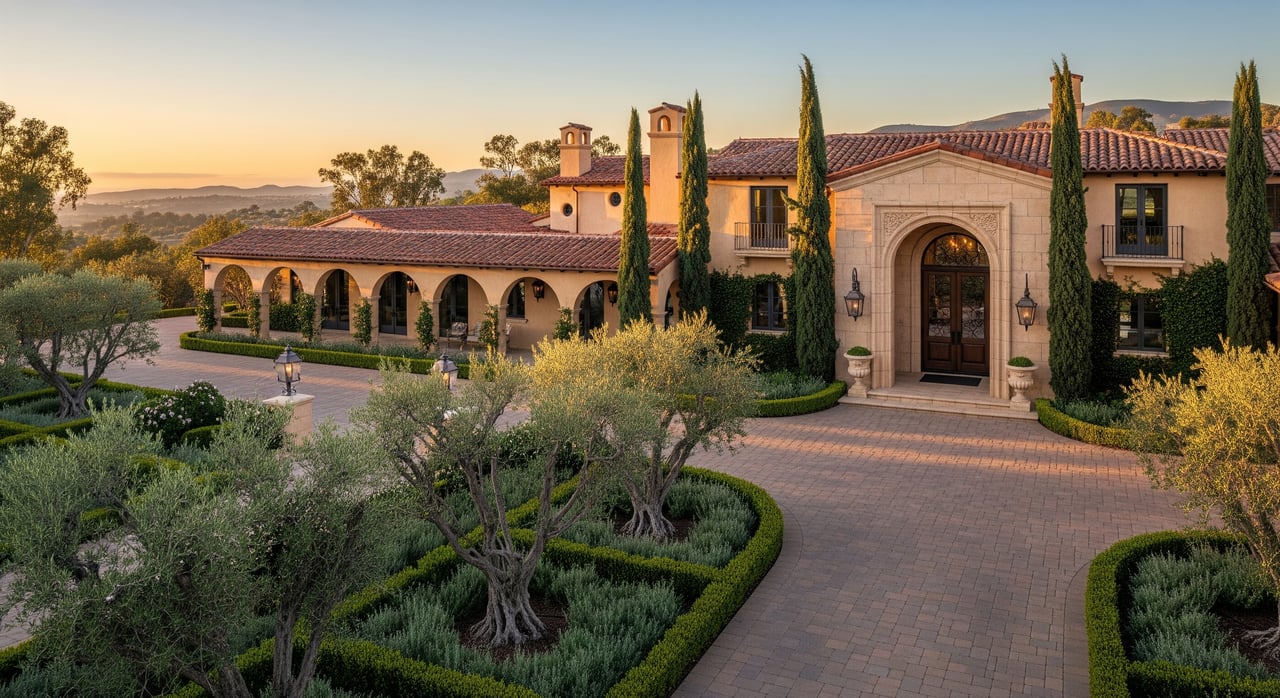
Selling a Rancho Santa Fe estate is not a typical home sale. Your property is unique, privacy matters, and the buyer pool is selective. With the right plan, you can protect your time, control access, and drive a premium outcome. In this guide, you will learn how Rancho Santa Fe’s luxury market works, what drives value, how to prepare on a 6 to 18 month timeline, and how to market quietly without sacrificing results. Let’s dive in.
Know the luxury buyer pool
Rancho Santa Fe attracts affluent local residents, executives and entrepreneurs relocating from Los Angeles and the Bay Area, national lifestyle buyers, and some international clients. Second-home and legacy buyers are also active. These buyers value privacy and security above all else.
They look for acreage and usable land, equestrian capability, architectural quality and provenance, and views influenced by the coastal microclimate. They also want turnkey systems and finishes that feel current. Many purchases are all-cash or use jumbo financing, so proof of funds and lender strength are central from the start.
What drives value here
Price per square foot is less reliable on large or unique parcels. Value leans on acreage, views, usable land for paddocks or pastures, and the quality and age of construction. Guest houses, staff quarters, and equestrian facilities carry weight. Recent high-end renovations, smart-home systems, generators, and security infrastructure can lift perceived value.
Provenance matters. Architecturally significant design and a clear history of stewardship help the story and the price. Seasonality is softer than entry-level markets, but spring is still a strong window. If you plan improvements that need approvals, build in extra time.
Plan your 6 to 18 month timeline
You do your best work with a clear, staged plan. Here is a practical roadmap.
12 to 18 months out
- Engage a local luxury listing agent to evaluate marketability and outline pricing strategy.
- Review Covenant or Association constraints and how they affect improvements or marketing.
- Map out any major renovations that need permits or architectural review.
- Discuss privacy goals and whether a pocket or controlled-market approach fits your needs.
6 to 12 months out
- Start permit-dependent work with an architect or contractor familiar with local review.
- Order a boundary survey if lines or easements are unclear.
- Consult your CPA and estate attorney on ownership structure, basis, and timing.
- Begin assembling permits, service records, and utility data for a buyer data room.
3 to 6 months out
- Complete renovations and resolve visible deferred maintenance.
- Schedule pre-list inspections: roof, pest, HVAC, pool and spa, septic or well if applicable.
- Engage a professional stager and book photography, drone, video, floor plans, and 3D tours.
- Finalize disclosures and organize CC&Rs, ARB approvals, and title documents.
0 to 3 months out
- Launch your marketing plan: private broker outreach and selective placement.
- Start invitation-only showings with pre-qualified buyers.
- Evaluate offers with clear proof of funds or strong pre-approvals and negotiate terms that protect certainty and privacy.
Covenant, ARB, and due diligence
Many Rancho Santa Fe properties are governed by recorded CC&Rs with an architectural review process. Exterior changes, landscaping, fencing, and accessory structures often require approval. If buyers plan additions or improvements after closing, those changes may also need review. Unpermitted or noncompliant items can become negotiation points.
Large parcels may include easements for access, utilities, or conservation. Older parcels can have boundary ambiguities. An updated survey reduces risk late in escrow. Check for any special assessments or community district obligations that affect ownership cost.
Plan for California disclosures and local norms. You will likely prepare a Transfer Disclosure Statement and Natural Hazard Disclosure. In Rancho Santa Fe, septic, well reports, solar contracts, and any Covenant compliance items are common add-ons. Pre-list inspections help you control the narrative and avoid price erosion after you go under contract.
Smart prep: renovate, stage, or sell as-is
In this segment, targeted updates and premium presentation often beat major remodels right before selling. Focus on items that increase desirability and reduce negotiation friction.
- Address system integrity: roofs, HVAC, electrical, pool and spa equipment.
- Refresh key spaces if dated: kitchens and baths deliver solid returns when done well.
- Elevate landscape and night lighting to showcase acreage and approach.
- Resolve code, permitting, or safety issues that could stall escrow.
High-end staging sets the tone. Professionally curated furnishings, art, and lighting create scale and warmth. Declutter and depersonalize so buyers focus on the estate, not your photos or collections. Present amenities clearly: guest suites, theater, wine room, gym, and equestrian features.
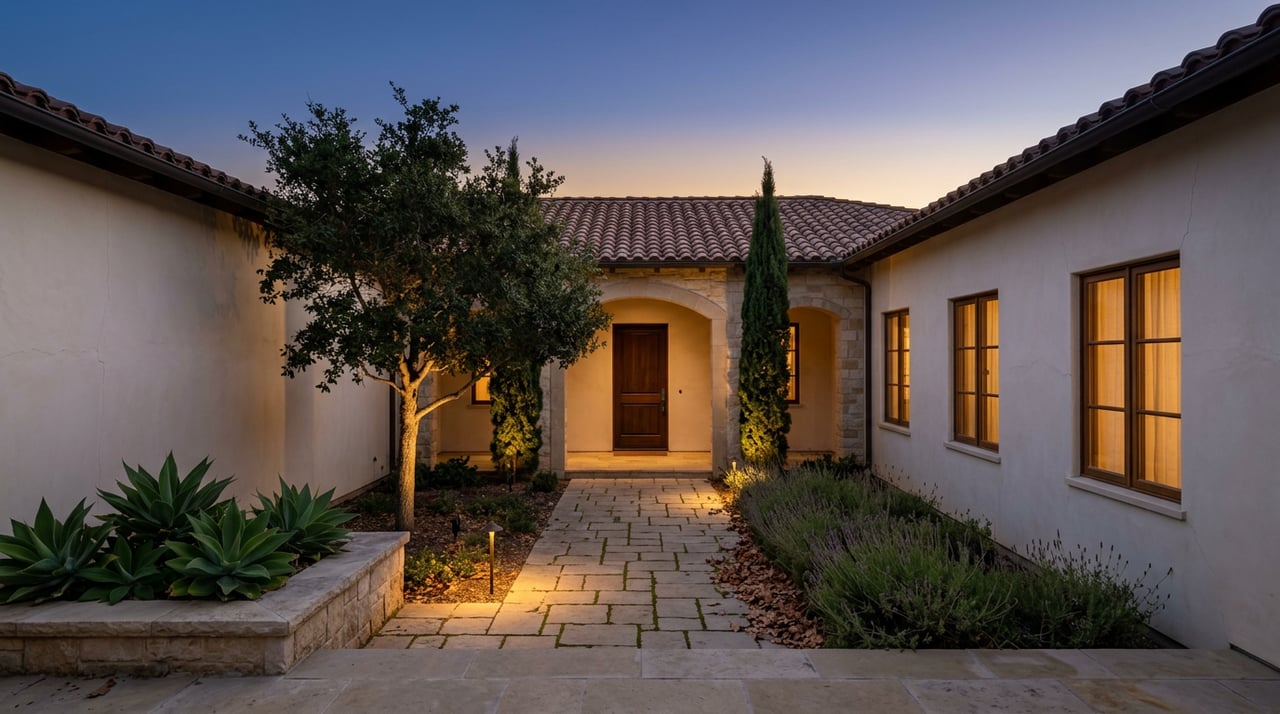
Your visual package matters. Invest in exterior and interior photography, twilight sets, aerial drone imagery for acreage context, cinematic video, floor plans, and a 3D tour to reach remote and international buyers. Provide accurate site maps that show paddocks, easements, and major improvements.
Pre-list checklist
- Confirm title and ownership; obtain a recent title report.
- Review CC&Rs and ARB approval history; gather permits for improvements.
- Order a boundary survey or plot map if needed.
- Complete pre-sale inspections: structural, roof, pest, HVAC, pool and spa, septic or well.
- Remedy obvious issues that could derail escrow.
- Secure staging, photography, drone, video, floor plans, and 3D tour providers.
- Assemble a data room: permits, surveys, HOA or Covenant docs, utility bills, tax assessments, and service records.
Privacy-first marketing that still gets results
Many sellers prefer discretion. You can protect privacy without giving up leverage.
Pocket or off-market exposure can make sense when you want controlled access. Use confidential teasers that omit the exact address until a buyer is vetted. Require proof of funds and broker pre-qualification before detailed disclosures. For select cases, NDAs add another layer of control.
For maximum reach among qualified buyers, blend channels. Target top local and regional producers, tap luxury broker networks, and use selective national or international placement. Produce refined print collateral for private previews. Tell a strong story that highlights provenance, architectural quality, lifestyle, and turnkey systems. High-net-worth buyers respond to narrative as much as to raw features.
Negotiation levers that protect your net
In luxury sales, deal terms can shape certainty and outcome as much as price. Consider these levers:
- Earnest money: request a larger deposit relative to price.
- Inspection and contingency periods: tighten timelines to reduce churn.
- Appraisal language: prepare for conservative valuations on unique estates and negotiate terms that address potential gaps.
- Escrow length: set a timeline that aligns with your move and buyer underwriting.
- Possession and services: flexible possession or seller-paid transition services can trade for price.
- Personal property: clarify inclusions early to avoid last-minute friction.
Limit concession risk by demanding clear lender letters and proof of funds. If financing is involved, request terms summaries. For cash buyers, financial verification is standard. Attorney and CPA review of sale documents is common in this price tier and helps reduce surprises.
High-level tax and estate planning
If the estate has been your primary residence for the required periods, the federal principal residence exclusion may apply: up to 250,000 for single filers or 500,000 for married filing jointly. For investment or second-home scenarios, explore strategies like timing, installment structures, or 1031 exchanges for investment property. Many luxury sellers also consider the Net Investment Income Tax and California state income tax exposure.
Engage your CPA and estate attorney early. Confirm basis, step-up considerations, trust or entity authority, and any transfer complexities. Early planning can save time and money.
Why partner with Adam Loew & Associates
You deserve a boutique team that knows Rancho Santa Fe and North County cold. Adam Loew & Associates blends an executive-level, white-glove approach with the reach of a leading brokerage platform. The team coordinates staging, vendor management, and pre-market prep that drive premium results. You also gain access to curated buyer lists, private channels, and disciplined buyer vetting that protect your privacy.
You get a consultative partner from strategy through closing, with clear communication and a focus on your net proceeds. If you are targeting a 6 to 18 month window, now is the right time to align your plan, your team, and your timeline.
Ready to map your path to market? Connect with Adam Loew to get a tailored valuation and strategy for your estate.
FAQs
When should I contact a listing agent in Rancho Santa Fe?
- If you plan major improvements or permits, reach out 12 to 18 months early; if the property is market-ready, 3 to 6 months is usually sufficient.
Are pocket listings effective for Rancho Santa Fe estates?
- They are common for privacy-conscious sellers and can work well when paired with a vetted network, but they trade broader exposure for controlled access.
How do Covenant and ARB rules impact my sale timeline?
- Approvals for changes can add weeks or months, and any unpermitted or noncompliant items can delay escrow or become price negotiations.
Does staging really matter at the luxury level?
- Yes. Professionally staged and expertly marketed estates typically secure stronger offers and shorter time on market than un-staged properties.
What pre-list inspections should I complete for an estate property?
- Roof, pest, HVAC, pool and spa, and septic or well if relevant, along with a review of title, easements, and any CC&Rs or Covenant compliance items.